About Dr Daniel O’Rourke
I have worked in psychology since 2008 and have been a qualified clinical psychologist for over a decade, working in the evidence-based treatment of anxiety and OCD.
My first degree was in Sport and Exercise Science at the University of Bath, where I became interested in why some young athletes coped with pressure and others did not, and in the part parents played. I still work on a version of that question: how the adults around a child respond to their anxiety.
I completed my PhD in clinical psychology at the University of Washington, where I trained in cognitive behavioural therapy, dialectical behaviour therapy and family-based treatments. My pre-doctoral internship was at Seattle Children’s Hospital and Harborview Medical Center.

I then completed a postdoctoral fellowship in child and adolescent anxiety at the Evidence Based Treatment Centers of Seattle, where I became Director of Training and Education and then Assistant Director of its Child Anxiety Center. Most of my clinical hours have been spent there, giving intensive, protocol-based treatment for OCD and anxiety. I remain a Clinical Instructor at the University of Washington, and I supervise qualified clinicians and trainees individually, online, in anxiety, OCD and exposure-based work.
Registration and credentials
- HCPC-registered Clinical Psychologist, registration PYL043844, verifiable on the HCPC register
- Chartered Psychologist, British Psychological Society
- Board Certified in Behavioural and Cognitive Psychology, American Board of Professional Psychology (ABPP), a United States specialist credential
- PhD, Clinical Psychology, University of Washington
- Pre-doctoral internship, Seattle Children’s Hospital and Harborview Medical Center
- Clinical Instructor, University of Washington
- Formerly Director of Research and Outcomes, Owl Insights
- Postdoctoral fellowship in child and adolescent anxiety, Evidence Based Treatment Centers of Seattle
- BSc (First Class Honours) Sport and Exercise Science, University of Bath
My doctorate is a PhD in clinical psychology. I am not a medical doctor and I do not prescribe.
Check my registration
- HCPC register (opens in a new tab). Search for registration number PYL043844 under practitioner psychologists
- British Psychological Society, find a psychologist (opens in a new tab)
- ABPP directory of board certified psychologists (opens in a new tab)
Published research
My own research is in sport and exercise psychology, on how parental pressure and the climate adults create around young athletes affect their anxiety, and on psychological factors in recovery after concussion. The concussion paper listed below received the Journal Paper of the Year award from the American Psychological Association’s Division 47. I am not an OCD researcher, and for the science on OCD the International OCD Foundation and OCD-UK are good sources.
- O’Rourke, D. J., Smith, R. E., Punt, S., Coppel, D., & Breiger, D. (2017). Psychosocial correlates of young athletes’ self-reported concussion symptoms during the course of recovery. Sport, Exercise, and Performance Psychology.
- O’Rourke, D. J., Smith, R. E., Smoll, F. L., & Cumming, S. P. (2014). Relations of parent- and coach-initiated motivational climates to young athletes’ self-esteem, performance anxiety, and autonomous motivation. Journal of Applied Sport Psychology, 26, 395-408.
- O’Rourke, D. J., Smith, R. E., Smoll, F. L., & Cumming, S. P. (2012). Parent-initiated motivational climate, self-esteem, and autonomous motivation in young athletes. Child Development Research.
- O’Rourke, D. J., Smith, R. E., Smoll, F. L., & Cumming, S. P. (2011). Trait anxiety in young athletes as a function of parental pressure and motivational climate. Journal of Applied Sport Psychology, 23, 398-412.
How I think about this work
I use treatments with research evidence behind them, which for OCD means exposure and response prevention and, when a child or teenager will not attend, a parent-based treatment. Treatment is time-limited. We agree targets and work towards them as quickly as we can, and if what we are doing is not producing change, I change it. By the end of the first session you should be able to explain what is keeping the problem going and what we will do about it.
Outside the room
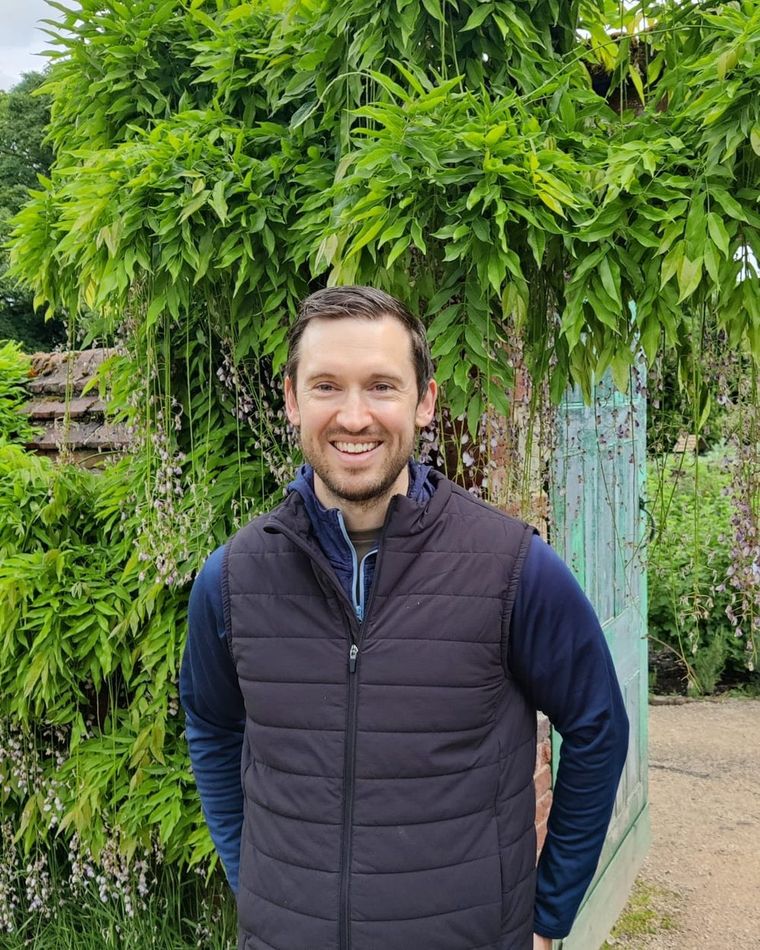
Being a parent gives me a good deal of humility about parenting advice, and most weekends I am outdoors, usually somewhere muddy.
Common questions
Are you registered, and how can I check?
Yes. I am registered with the Health and Care Professions Council (HCPC) as a Clinical Psychologist, registration number PYL043844, which you can verify on the HCPC register at hcpc-uk.org. The Check my registration list on this page also links to the British Psychological Society and ABPP directories.
You trained in the United States. Does that translate to the UK?
CBT and ERP are the same treatments in the UK as in Seattle, and the protocols I trained in are the ones NICE points to. What differs is the system around treatment, such as the NHS, CAMHS, school SEN processes and UK insurers. I am registered to practise here by the HCPC.
Are you BABCP accredited?
No. BABCP accreditation is the usual benchmark for CBT therapists in the UK, while clinical psychologists are regulated by the HCPC, which is the register I am on. My CBT training came through my PhD, internship and postdoctoral fellowship, and I am board certified in Behavioural and Cognitive Psychology in the United States.
Are you a medical doctor?
No. My doctorate is a PhD in clinical psychology, and I do not prescribe. Decisions about medication are for you and your GP or psychiatrist.
Free 20-minute call
Not sure whether this is the right fit?
Start with a free 20-minute call. We talk through what is going on, I answer any questions you have, and I tell you whether I think I can help. If I cannot, I will try to point you to someone who can. The call is free and there is no obligation to book.
Weekdays, 9am to 5pm. No GP referral needed.