For parents, children & teenagers
Help for children and teenagers with OCD and anxiety
Childhood OCD and anxiety often draw in the whole family. I start by working out with you which of the things the family does to help are keeping the anxiety going.
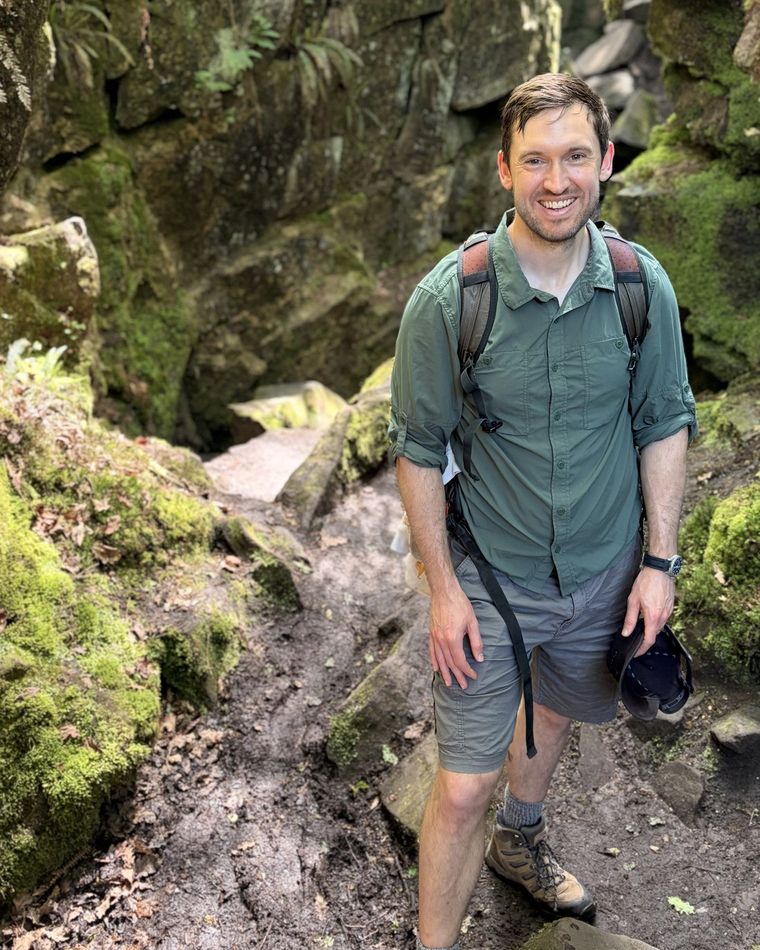
- HCPC-registered Clinical Psychologist
- Chartered Psychologist (BPS)
- Board certified in the United States (ABPP)
- Assistant Director, Child Anxiety Center (Seattle)
- Recognised by BUPA, AXA Health, Aviva, Vitality & WPA
How anxiety affects families
How a child’s anxiety affects the whole family
It is common for a household to reorganise itself around a child’s anxiety. Parents do this because they care, and it is a normal response to a child who is frightened.
The reassurance at bedtime, the lift to school and the food you buy because it is the only thing they will eat each help in the moment, but over months they teach a child that they could not have coped without you. Clinicians call this accommodation, and reducing it gradually is a central part of treatment.
OCD in children & teens
Rituals, repeated questions, and rage when a step is interrupted.
Read moreAnxiety in children
Worry, stomach aches, bedtime tears, and the responses that feed them.
Read moreSchool refusal
When getting to school each morning has become a struggle, and how a graded return works.
Read moreARFID & food-related anxiety
Restricted eating driven by fear or sensory difficulty, not body image.
Read moreSocial anxiety in teenagers
Often mistaken for shyness until it closes down friendships.
Read moreEverything I treat
The full list, including what I do not take on.
See the full listParent-based treatment
What to do when your child will not attend
Your child does not have to be willing, or present, for treatment to start. SPACE (Supportive Parenting for Anxious Childhood Emotions) is a treatment developed at Yale in which only the parents attend. We work on how you respond, reducing accommodation and replacing it with responses that show you understand and believe your child can cope. In one randomised trial, SPACE was not inferior to CBT delivered to the child (Lebowitz and colleagues, 2020).
How treatment works
Three steps, and no obligation at the first
- A free introductory call
We talk for 20 minutes, with you as the parent or carer, or with a young person aged 16 or 17 who contacts me themselves, and I tell you whether this is work I do.
- A first session
We look at the problem together and agree whether the treatment runs through you, your child or both.
- Active treatment
Work with your child on facing fears in small planned steps, parent-only work with you, or both, towards targets we set together.
Screens & technology
Screens, gaming and phones
Phones, gaming and social media can become tangled up with anxiety, sleep and school avoidance. Where screen use is part of anxiety or OCD, it needs treatment. For the everyday questions about screens that most families have, I co-wrote a self-guided programme for parents.
A self-guided option for parents
The Screen Balance Program
The Screen Balance Program is for parents who are concerned about their child or teenager’s screen use and want to know what the evidence supports and what to change at home. I wrote it with my colleague Dr Jennifer Tininenko, a clinical child psychologist licensed in the United States. It is a self-guided programme parents work through themselves, at their own pace.
Commercial disclosure: I co-own the Screen Balance Program and earn money when it is bought. It is sold by Elevating Parenthood LLP, a United States business that is separate from Anxiety CBT Ltd, in US dollars and under its own terms and privacy policy. It is education for parents, not psychological treatment, and you never need to buy it to be seen by me. Where I think treatment is the better route I will say so.
Practical details
No GP referral is needed, and appointments are weekdays, 9am to 5pm. I see children of any age online anywhere in the UK, and in person in Nottinghamshire, usually in your own home, which is often where the anxiety shows up, or at my office in Ravenshead.
Every session is £120, and I am recognised by BUPA, AXA Health, Aviva, Vitality and WPA.
Free 20-minute call
Not sure whether this is the right fit?
Start with a free 20-minute call. We talk through what is going on, I answer any questions you have, and I tell you whether I think I can help. If I cannot, I will try to point you to someone who can. The call is free and there is no obligation to book.
Weekdays, 9am to 5pm. No GP referral needed.